Last reviewed:
The Mekong Delta sits at 9–10° north. That means no real winter, almost no variation in day length, and a year split by rain rather than temperature. Sunrise is around 05:30 and sunset around 18:00 in every month, which is why market timings never change. What does change — dramatically — is how much water there is.
The short answer
| Best overall | December to March. Dry, the coolest part of the year, calm water, everything open, no weather risk to your one day on a boat. |
|---|---|
| Best for photography and atmosphere | September to November — the floating season. High water, green landscape, dramatic skies, far fewer tourists. |
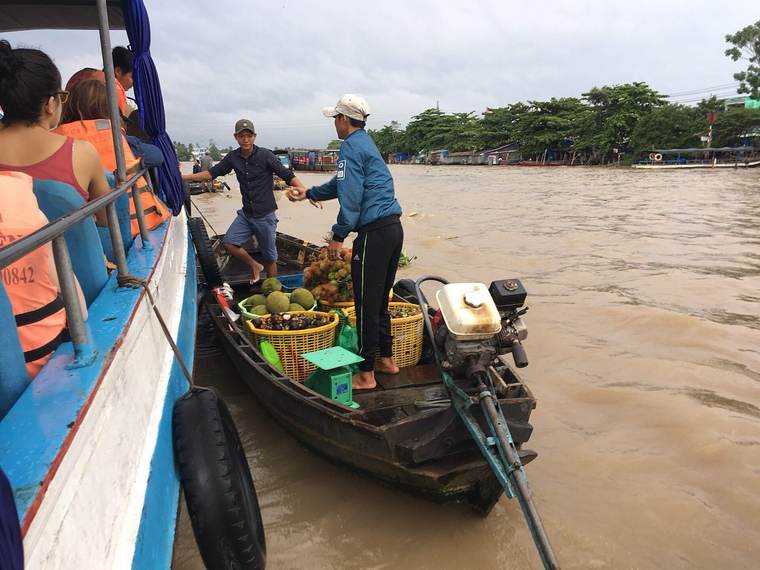
| Best for fruit | May to August. Mango, rambutan, longan, mangosteen and durian all at once. The floating markets are at their most colourful. |
| Hottest | March to May, peaking in April. Regularly 34–36 °C with high humidity. |
| Busiest | December–February, plus Tet and Vietnamese public holidays. Book earlier and expect higher prices. |
| Cheapest | May–September. Lower hotel rates, more availability, more rain. |
Two seasons, not four
Dry season: December – April
Rain becomes rare from about November and stops almost entirely by December. Skies are clear, humidity drops slightly, and December and January are the coolest months — comfortable rather than cold, typically 24–31 °C. Roads and dyke lanes are firm, which matters if you plan to cycle. Canals are lower but still fully navigable.
This is the season to choose if you have one fixed day for the delta and cannot afford to lose it to weather. It is also when most people come, so book tours and Can Tho hotels earlier than you would otherwise.
Wet season: May – November
The southwest monsoon arrives in May. Rain in the delta is not usually all-day drizzle — it is a heavy downpour in the mid-afternoon, often over within an hour, with clear mornings either side. Since almost all delta activity happens before 13:00, the wet season interferes far less than travellers expect.
September to November is the floating season (mùa nước nổi), when the upstream flood arrives. This is a distinct phase rather than just "more rain", and it deserves its own section.
The floating season, explained
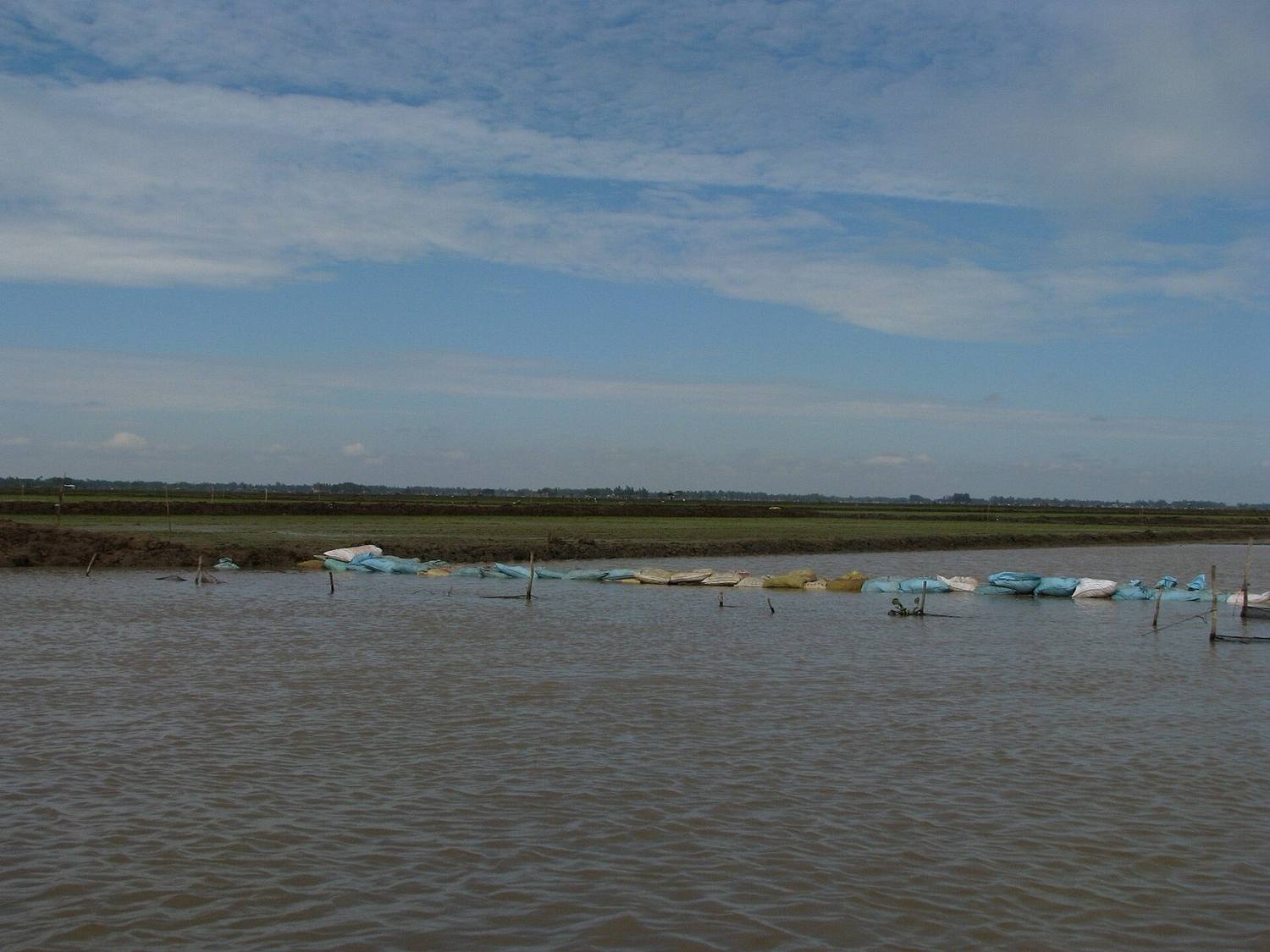
From roughly September to November, water arriving from upstream raises the delta's rivers by a metre or more. In the upper delta — An Giang and Dong Thap especially — farmers deliberately let fields flood after the summer rice harvest. The floodwater deposits silt, drowns pests, and brings fish.
What this means for a visitor:
- The landscape changes completely. Fields become shallow lakes with rice stubble and lotus poking through; roads run along dykes between sheets of water.
- New food appears. Cá linh (a small migratory fish) with điên điển sesbania flowers in sour soup is the signature dish of these weeks and exists at no other time of year.
- Wetland sites peak. Tra Su cajuput forest near Chau Doc and Tram Chim National Park in Dong Thap are at their best. Some routes only become navigable now.
- Fewer tourists. International visitor numbers are low; you will share the canals with almost nobody.
- More rain and more mosquitoes. Bring repellent and a light rain layer.
If you can travel in any month, go in late September or October. You get the flooded landscape, the seasonal food, low prices, empty boats, and rain that mostly arrives after you have finished for the day. The trade-off is that a bad afternoon can wash out a cycling plan.
Month by month
| Month | Weather | Water | Crowds | Verdict |
|---|---|---|---|---|
| January | Dry, 24–31 °C, the most comfortable month | Falling | High | Excellent. Book ahead. |
| February | Dry, warming | Low | High | Excellent. Tet often falls here — check dates. |
| March | Hot and dry, 27–34 °C | Lowest; saltwater intrusion peaks | Moderate | Very good, but start early. |
| April | Hottest, 28–36 °C | Low | Moderate | Fine if you are on the water by 07:00. |
| May | First rains, still very hot | Rising | Low | Good value. Fruit season begins. |
| June | Afternoon storms | Rising | Low | Good. Mango and rambutan everywhere. |
| July | Wet, green, 25–33 °C | Rising | Low | Good. Durian season. |
| August | Wettest months begin | High | Low | Good, with rain planning. |
| September | Wet, dramatic skies | Flood arrives | Lowest | Excellent for atmosphere. |
| October | Wet, cooler evenings | Peak flood | Low | The connoisseur's month. |
| November | Rain easing | High, falling | Rising | Excellent. Best balance of all. |
| December | Dry, cooling | Falling | High | Excellent. Peak season begins. |
Tet: the two weeks nobody warns you about
Vietnamese Lunar New Year falls between late January and mid-February and moves each year. It affects the delta more than most regions, because so much of the local economy is family businesses.
- The week before Tet is spectacular. Flower boats pile into Cai Rang and the town markets — kumquat trees, yellow apricot blossom, chrysanthemums stacked head-high. Sa Dec's flower district is at its absolute peak.
- Tet itself and the following few days: many workshops, homestays and family restaurants close. Tours still run but with reduced stops. Transport is fully booked and prices rise.
- Practical advice: travel in the ten days before Tet for the best of it. Avoid the three days after unless you have booked everything in advance.
The other dates to plan around are Hung Kings' Commemoration Day (around April), Reunification Day on 30 April with International Workers' Day on 1 May, and National Day on 2 September. Domestic travel peaks, coaches sell out and hotel rates jump.
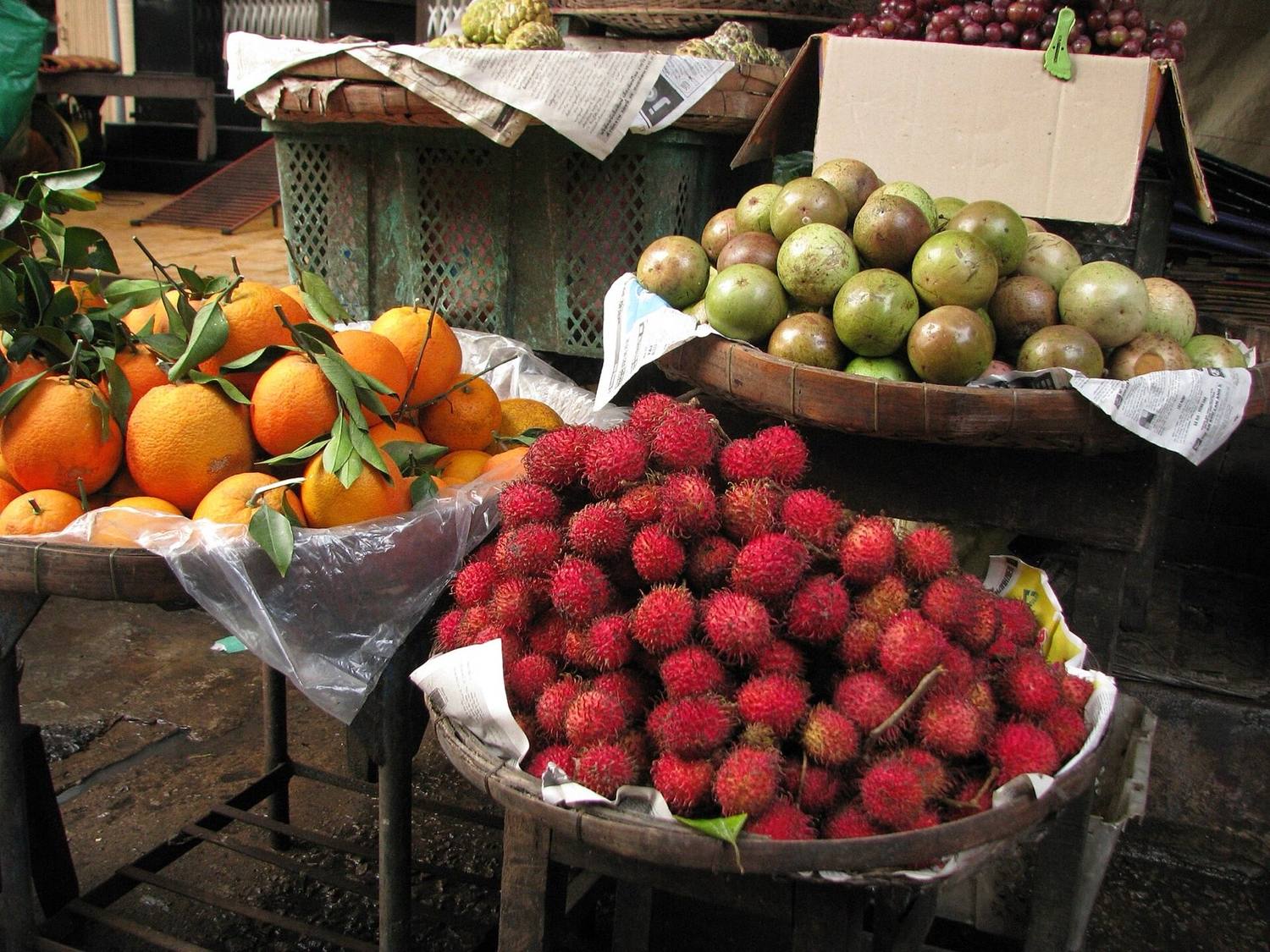
If you are coming for the fruit
- May–July: mango, mangosteen, rambutan, lychee, jackfruit.
- June–August: durian and longan at their peak.
- August–October: star apple (vú sữa), guava, custard apple.
- November–February: pomelo, orange, dragon fruit, watermelon.
- Year-round: coconut, banana, papaya, pineapple.
Orchard visits are part of almost every tour, and the difference between visiting in June and visiting in February is the difference between eating six varieties and eating two.
The one timing that never changes
Whatever month you choose, the daily schedule is fixed by the sun and by the markets:
- 05:00 — leave Ninh Kieu wharf if you are going to Cai Rang.
- 05:30–07:00 — peak trading at the floating markets, best light, coolest air.
- 07:00–10:00 — the best hours for canals, cycling and villages.
- 11:00–15:00 — hottest, harshest, and when the coach tours are on the water.
- 16:00–18:00 — second-best light; a good ride or a beer on the wharf.
This is why the number of days you stay matters more than the month you choose. A day trip from Ho Chi Minh City puts you on the water at midday in every season.
Frequently asked questions
What is the best month to visit the Mekong Delta?
November and December are the best balance: rain has eased, water is still high after the flood, temperatures are at their most comfortable and crowds have not yet peaked. January to March is the driest and easiest; September and October are the most atmospheric.
Is the Mekong Delta worth visiting in the rainy season?
Yes. Rain in the delta is typically a heavy afternoon downpour lasting an hour, and almost all delta activity happens before 13:00. You get a greener landscape, far fewer tourists and lower prices in exchange for carrying a poncho.
What is the floating season in the Mekong Delta?
Roughly September to November, when floodwater from upstream raises river levels by a metre or more and farmers in An Giang and Dong Thap deliberately let fields flood. The landscape becomes a shallow lake, seasonal foods like cá linh fish and sesbania flowers appear, and wetland sites such as Tra Su are at their best.
How hot does the Mekong Delta get?
Daytime temperatures sit around 30–34 °C most of the year, peaking at 34–36 °C in March and April with high humidity. Nights rarely drop below 23 °C. December and January are the most comfortable months.
Should I avoid the Mekong Delta during Tet?
Travel in the ten days before Tet, when flower boats fill the markets, rather than during or immediately after it. Over the holiday itself many family workshops, homestays and restaurants close, transport sells out and prices rise.
When is the best time to see the floating markets?
Any month — the markets run daily all year. The time of day matters far more than the season: be there between 05:30 and 07:00, which means sleeping in Can Tho the night before.
When is fruit season in the Mekong Delta?
May to August is the peak, with mango, rambutan, longan, mangosteen and durian all in production. November to February brings pomelo, citrus and dragon fruit instead. Orchard stops are far more interesting in the summer months.